

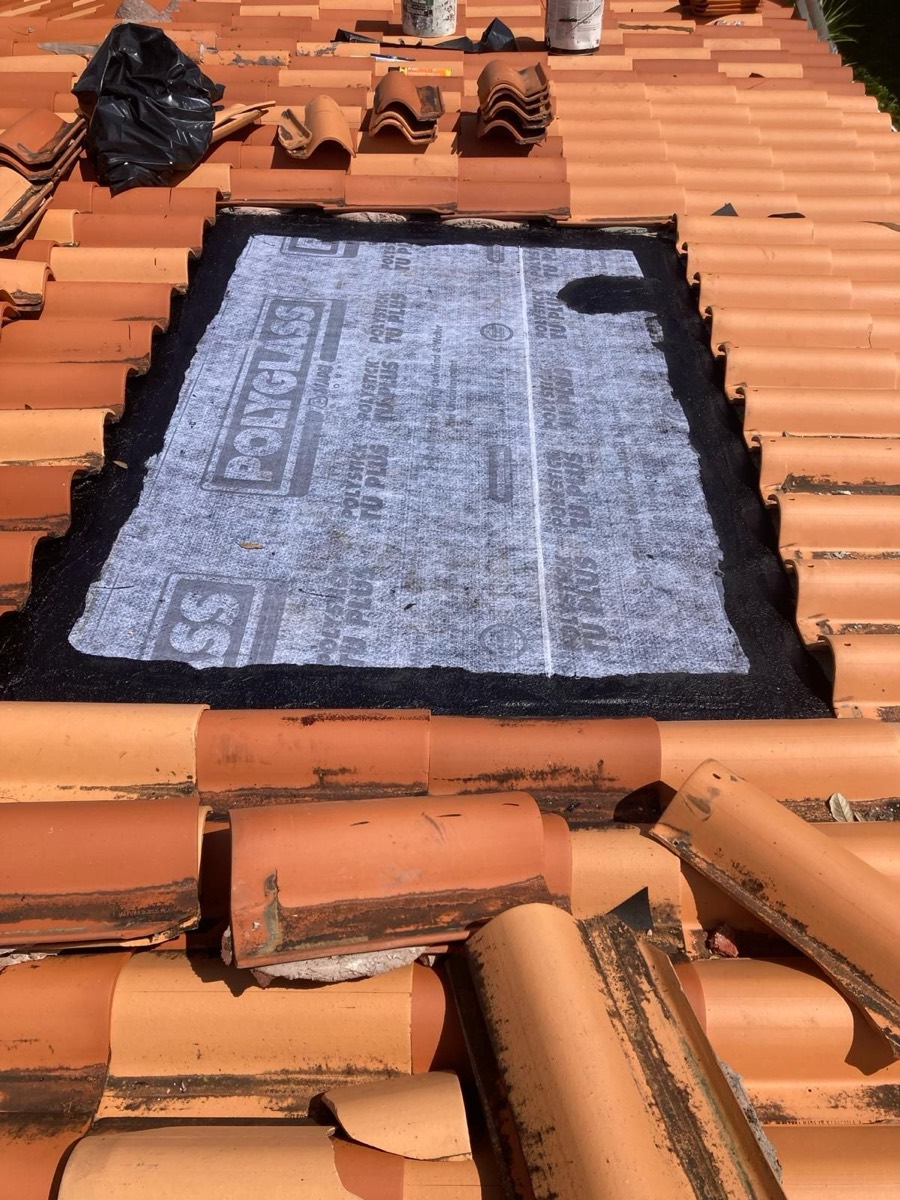
Storm & Leak Repair in Cutler Bay, FL
After a South Florida storm, we respond fast—tarping to stop the water, documenting the damage, and guiding your insurance claim through to a complete repair.
Storm damage? We handle the roof and the claim
After a storm, the priority is stopping water from getting in and documenting the damage properly. We respond quickly, tarp and secure where needed, and complete a thorough inspection with photos that support your claim.
Insurance claims can be confusing — we work directly with your adjuster, speak the language of scopes and supplements, and make sure your roof is restored correctly, not just patched. You focus on your family; we'll handle the roof.
- Fast response. We secure your roof quickly to prevent further water damage.
- Claim documentation. Detailed photos and reports that support your insurance claim.
- We work with adjusters. Directly — so the scope reflects the real damage.
- Restored, not patched. Your roof is repaired to code and to last.
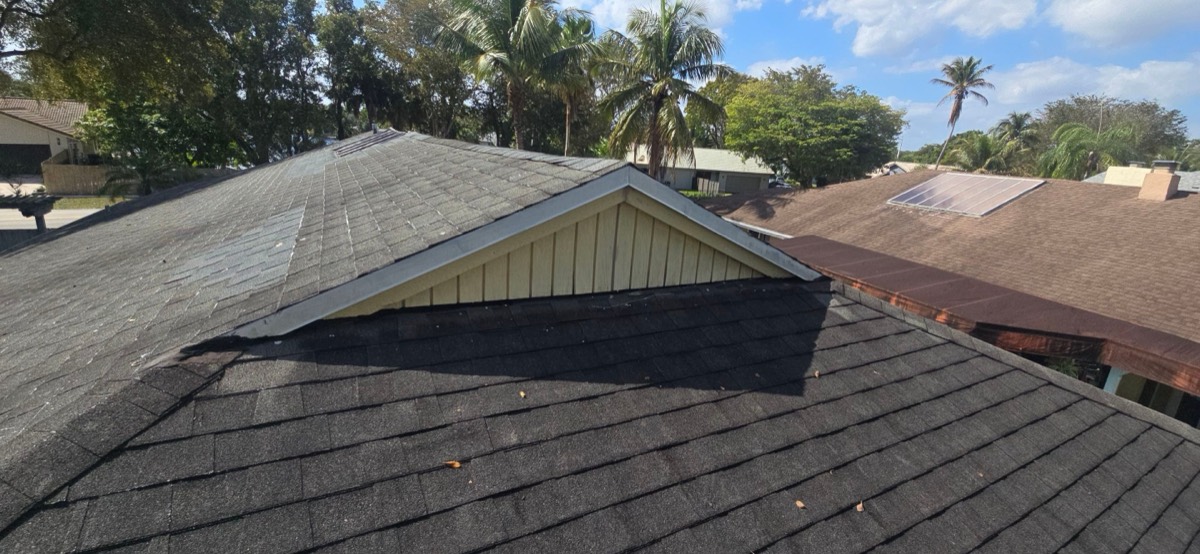
Built for Miami-Dade Storms—From Wet-Season Downpours to Hurricanes
South Florida roofs take a beating that roofs almost nowhere else in the country face. Between the June-to-November hurricane and tropical-storm season and the near-daily wet-season thunderstorms that roll in most summer afternoons, your roof is soaked, battered by wind-driven rain, and pressure-tested again and again. Miami-Dade sits inside the High-Velocity Hurricane Zone (HVHZ), the most demanding wind region in the Florida Building Code, where roofs must resist extreme wind uplift and windborne debris. A single strong gust can lift shingles or tiles, break the watertight seal, and open a path for water long before a stain ever shows up on your ceiling. Even damage that looks minor from the driveway—a few lifted tiles or a cracked seal—can let water travel under the surface and rot the deck over time. We know these failure patterns because we live and work right here in Cutler Bay—and we build every repair to the applicable Florida Building Code and manufacturer specifications, not just to get through today.
What to Do in the First Hours After a Storm
Your safety comes first. After a storm passes, stay off the roof—wet tile and shingle are dangerously slippery, hidden structural damage can give way underfoot, and downed power lines may be close by. If water is actively pouring in, move belongings and place buckets, but don't put yourself at risk to do it. From the ground and from inside your home, look for missing shingles or tiles, lifted edges, debris impact, sagging, or piles of granules washed into gutters and downspouts, and check ceilings and walls for fresh stains, drips, or bubbling paint. Take clear photos and note the date and time—this becomes the first evidence supporting your claim. Then call us. We respond fast, get an emergency tarp over the opening to stop water from spreading into your attic, insulation, and drywall, and begin a professional damage assessment. Fast, documented mitigation protects your home and shows your insurer you acted responsibly.
How Roof Insurance Claims Actually Work
Homeowners policies are generally written to cover sudden, accidental damage—like a hurricane or windstorm tearing at your roof—while excluding gradual wear-and-tear, age, or deferred maintenance. That one distinction drives most claim outcomes, which is why storm damage should be documented and reported promptly, before new rain makes fresh damage start to look old. Insurers also expect you to report a loss within the window your contract sets, so waiting rarely works in your favor. What your policy actually pays depends on its specifics: the age of your roof, whether you carry replacement-cost or actual-cash-value coverage, your hurricane deductible, and the deadlines written into the contract. Older roofs are often treated differently, and some carriers depreciate the payout as a roof ages. Keep receipts for any emergency work, too, since reasonable mitigation costs are frequently reimbursable. We can't promise what any policy will pay—every one is different—but we can help you understand what you're looking at and make sure the storm damage is captured accurately from day one.
Why Photos and a Contractor at the Adjuster Visit Protect You
When the adjuster comes out, they're documenting the loss on behalf of the insurance company. Having thorough photos from right after the storm—and an experienced roofer on-site—helps make sure nothing gets overlooked. We walk the roof safely, point out wind and water damage the untrained eye misses, and provide our own written assessment and repair estimate so there's a clear, professional record of the full scope. One caution for homeowners: stick to the facts. Don't guess at how old the damage is, don't volunteer that the roof was "already leaking," and don't speculate about the cause—let the documentation speak. To be clear, we're licensed roofing contractors (FL #RC29027982), not public adjusters, so we don't negotiate or handle the claim for you—but our documentation and expertise give you and your adjuster the same accurate picture.
Restoring to Code—NOA Systems, a Secondary Water Barrier, and Wind-Mitigation Credits
A storm repair should leave your roof stronger than it was—not just patched until the next downpour. In the HVHZ, that means installing systems carrying a Miami-Dade Notice of Acceptance (NOA) or Florida Product Approval—products tested to survive our wind and flying debris—and repairing to current Florida Building Code rather than the shortcut standards of decades past. Where the work calls for it, we add a secondary water barrier: a sealed layer over the roof deck that keeps water out even if the outer covering is torn away in a future storm. Doing it right also pays you back. Once your roof is restored, a wind-mitigation inspection can document features—like code-compliant covering and secondary water resistance—that may qualify you for homeowners-insurance premium credits under Florida law. We make sure the work passes inspection and sets you up for those savings. Our goal is simple: a roof that protects your family through the next hurricane season and a process that leaves you feeling looked after, not left in the dark.
Free inspection & honest quote — no pressure.
Get My Free QuoteCommon questions
Will insurance cover storm damage to my roof?+
What should I do right after a storm damages my roof?+
What should I not say to an insurance adjuster?+
Do you provide emergency tarping?+
Does my roof's age affect whether it's covered?+
How long does a storm damage repair and claim take?+
Do you work directly with my insurance adjuster?+
Explore our roofing services
Ready for a roof you can trust?
Free, no-pressure inspection in Cutler Bay and across Miami-Dade. Financing available for qualified homeowners.